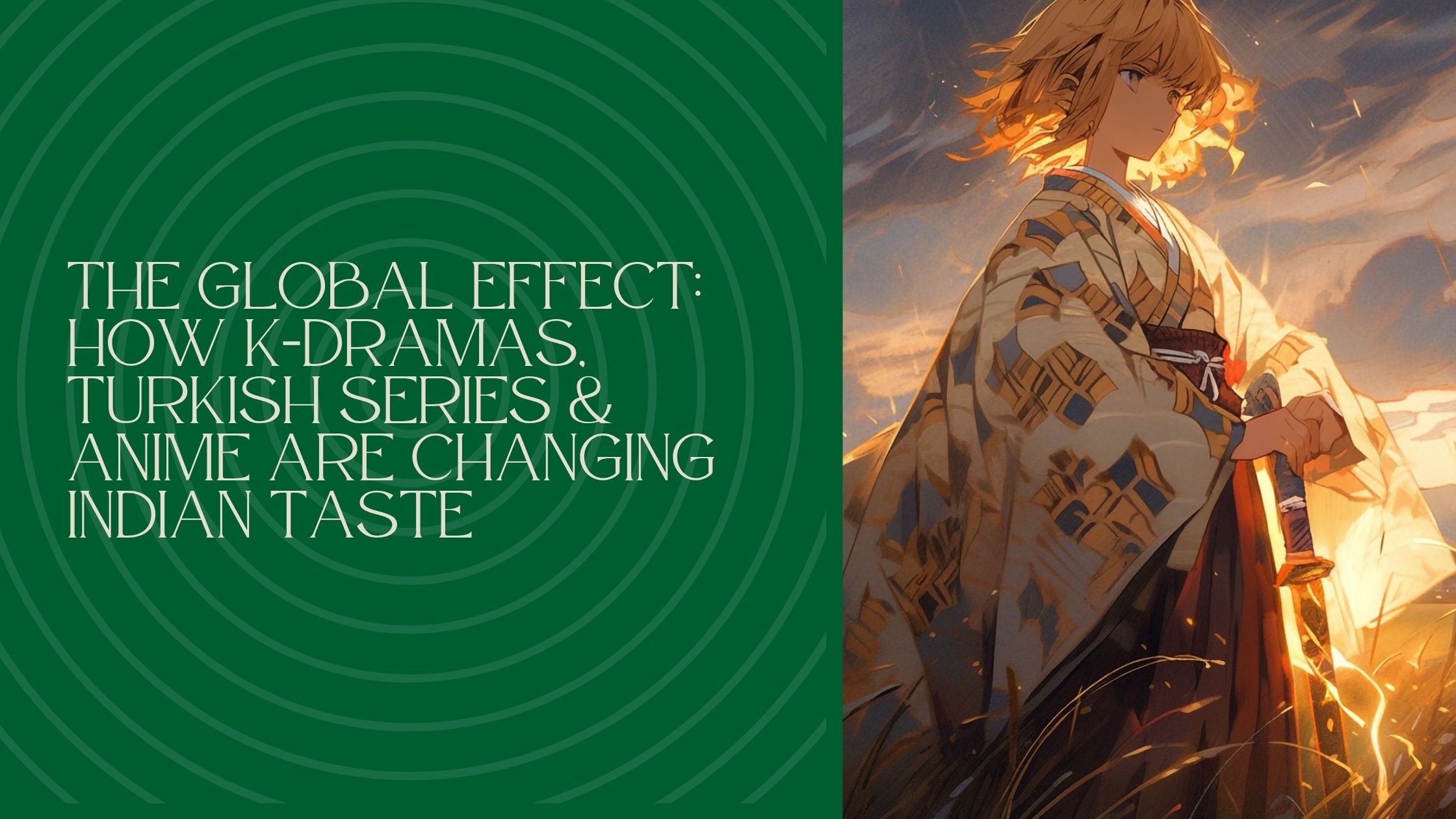
The Global Effect: How K-Dramas, Turkish Series & Anime Are Changing Indian Taste
It’s no longer just Bollywood in our hearts and on our screens. From late-night anime binges to weekend Turkish soap marathons and emotionally intense K-drama watch parties, Indian audiences are undergoing a massive content shift. The boundaries of language and culture are blurring — and OTT platforms are at the center of this revolution. Let’s break down how global content is reshaping what India watches, loves, and now demands more of.
1. K-Dramas: Where Aesthetics Meet Emotion
Once a niche obsession, Korean dramas are now mainstream in India, thanks to their clean storytelling, layered characters, and heart-tugging soundtracks. Platforms like Netflix, Viki, and Amazon Prime have brought subtitled (and often dubbed) versions right to our phones and TVs.
Why Indians love them:
Emotional storytelling with less melodrama
Respectful and slow-burn romance
Slice-of-life themes blended with fantasy
Visuals that are aesthetic, clean, and detailed
From Crash Landing on You to Business Proposal, these shows have built a loyal audience that now demands the same sensitivity and aesthetic in local content.
2. Turkish Dramas: The New Age Daily Soaps (But Classy)
Turkish dramas have found a surprising sweet spot with Indian viewers — especially those who grew up on Indian soaps but now want more realism and depth. Series like Fatmagül, Ertugrul, and The Magnificent Century have brought high production value and intense drama without dragging plots for years.
Why Indians are hooked:
Complex family dynamics and rich storytelling
Cultural similarities (family values, traditions)
Strong female leads and unpredictable plots
Rich costumes, backdrops, and historic narratives
They're like the new-age Indian daily soap — minus the 300 episodes and kitchen politics.
3. Anime: From Cartoons to Cult
Once dismissed as “kids' cartoons,” anime has now found a passionate Gen Z and Millennial fanbase in India. With shows like Death Note, Demon Slayer, Attack on Titan, and Studio Ghibli films being widely available on Netflix, Crunchyroll, and Amazon, Indian audiences have discovered the emotional depth and philosophical themes that anime offers.
What’s working in its favor:
Unique visual storytelling and world-building
Strong fan communities and pop culture integration
Dubs and subtitles in regional Indian languages
Themes that range from love and loss to existentialism
Anime is no longer a genre — it’s a culture in itself.
4. So, What’s Changing in India?
This exposure is pushing Indian OTT platforms to:
Explore multi-lingual storytelling
Focus more on emotional realism and character depth
Experiment with genres beyond romance and action like fantasy, sci-fi, or dystopia
Normalize subtitles and dubbed versions in regional languages
Plus, audiences are now more accepting of non-linear narratives, open endings, and cultural diversity — something that was rare just a few years ago.
5. The Future: A Global Indian Viewer
As Indian viewers get more global, their expectations are evolving too. They want emotion without excess, stories that respect their intelligence, and content that’s visually and emotionally immersive.
The shift isn’t about replacing Indian content — it’s about expanding the palate. Today’s Indian viewer might start their morning with a K-drama, binge a Telugu thriller in the evening, and end their night watching a Studio Ghibli film. And that’s not just cool — it’s the future of OTT.
So the next time someone says you're “too obsessed with Korean shows or anime,” just tell them — you're a global citizen with great taste.
Related Articles

🍿 Movies That Feel Like a Warm Hug: Comfort Films to Stream on Oceaniek
At Oceaniek Stream, we’ve curated a little treasure chest of comfort films — movies that feel like a warm hug when you need one the most. Whether it's through family drama, nostalgic storytelling, or emotional journeys, these films offer softness in a world that's often too loud. Here’s your ultimate cozy binge list:

Short on Time? 5 Short Films You Can Watch in Your Lunch Break
Got just 30 minutes but a craving for drama, love, and a little chaos? We’ve got you. Whether you're sipping chai at your desk or sneaking in a quick escape between meetings, these 5 short films on Oceaniek Stream promise bite-sized brilliance that lingers long after the credits roll.
How Streaming Platforms Are Shaping Modern Love Stories
In an era where you’re more likely to fall in love with a character than a person on a dating app, streaming platforms have quietly rewritten the rules of romance. From slow burns to messy modern flings, love stories on Netflix, Prime, and other OTT giants are no longer bound by the tropes of traditional cinema. Instead, they’re reflective, real, and refreshingly unpredictable. So how exactly are streaming platforms shaping the way we see and tell love stories today?